
BandLab on HP Laptops: A Practical Music-Making Guide for Users
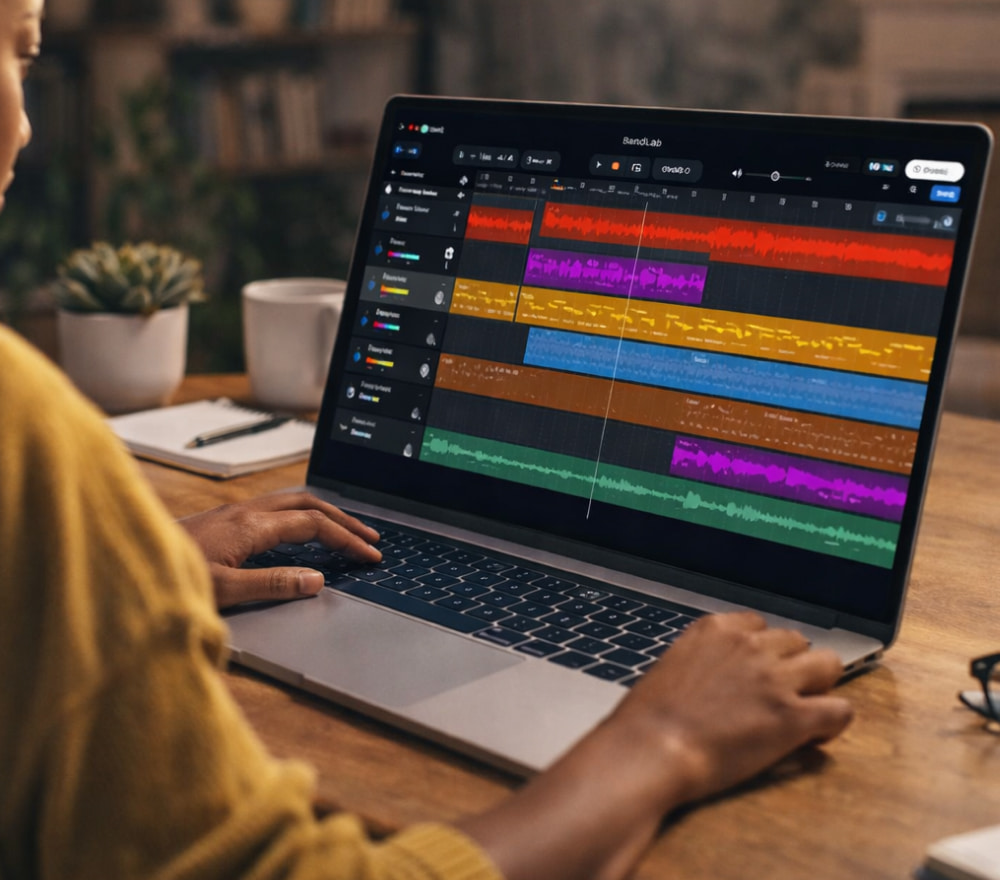
Install BandLab on Windows PC & Laptop
Get AppIf you’re building beats, recording vocals, or sketching song ideas on the go, using BandLab on HP laptop can be a smooth workflow with the right setup in place. Before you start creating, you’ll want to confirm Windows is updated, your audio output is selected correctly, and your storage has enough free space for projects and cached audio.
Getting Started: Installation Paths That Actually Work
Many users prefer a clean install, so it helps when you choose to download BandLab for HP laptop from an official store or trusted source and then complete the prompts carefully. If you’re comparing options, some creators pick BandLab download for HP laptop as their search phrase while they evaluate which version matches their Windows build and device drivers.
A reliable rule: after installing, set your audio device first, then test input levels with a short recording, and only then begin adding effects.
Web Studio vs Desktop App: Which One Fits Your HP?
For a more app-like experience, you can run the BandLab app on HP laptop and keep your sessions organized with quick access to recent projects and instruments.
On lightweight setups, a browser-based session can still feel snappy, and many beginners discover BandLab on laptop works best when fewer background apps are running.
Downloads, Free Access, and What to Expect
If you’re watching your budget, it’s reassuring that BandLab free to download for laptop remains a popular approach for starting music production without paying upfront for core tools.
When you need a quick reinstall after a Windows refresh, using BandLab download for laptop as your query can help you locate the correct listing and avoid look-alike pages. To reduce friction during setup, it’s smart to download BandLab for laptop only after you’ve checked your microphone permissions and confirmed your default playback device.
Recommended HP Laptop Settings for Cleaner Sound
- Audio input: Select the correct mic, then set input gain so peaks stay below clipping.
- Latency: Lower buffer sizes reduce delay, but raise the risk of crackles on weaker CPUs.
- Power mode: Use “Best performance” while recording to reduce dropouts.
- Storage: Keep at least a few GB free so exports and temporary files don’t fail.
Troubleshooting Checklist
- Restart the app or browser after changing audio devices.
- Disable exclusive mode in Windows sound settings if audio won’t route properly.
- Unplug and replug USB interfaces, then reselect the device inside the app.
- Close heavy background tasks if you hear pops, clicks, or stutters.
Quick Reference Table
| Goal | Best First Step | HP-Friendly Tip |
|---|---|---|
| Record vocals | Set input device and levels | Use wired headphones to prevent mic bleed |
| Make beats | Start with a tempo and drum pattern | Close browsers with many tabs to save CPU |
| Export a track | Check the master level | Leave free disk space for faster renders |
Workflow Ideas to Stay Creative
Once you’re comfortable, you can build templates with a drum bus, a simple synth, and a vocal chain, then reuse them so you spend less time configuring and more time writing. To collaborate smoothly, you can share a rough mix early, label tracks clearly, and keep a short notes section for changes like “raise chorus vocals” or “tighten kick.” When you’re ready to expand your setup, an affordable USB audio interface and a basic condenser mic can improve clarity dramatically without complicating your workflow. For creators who want a simple, repeatable routine, starting each session by launching BandLab on HP laptop alongside a small checklist can keep projects moving forward efficiently.